




Materials · Buying Guide
Full-Grain vs Top-Grain vs Genuine Leather: A Buyer's Guide
LeatherVibeCo Studio · 17 September 2026 · 1 min read
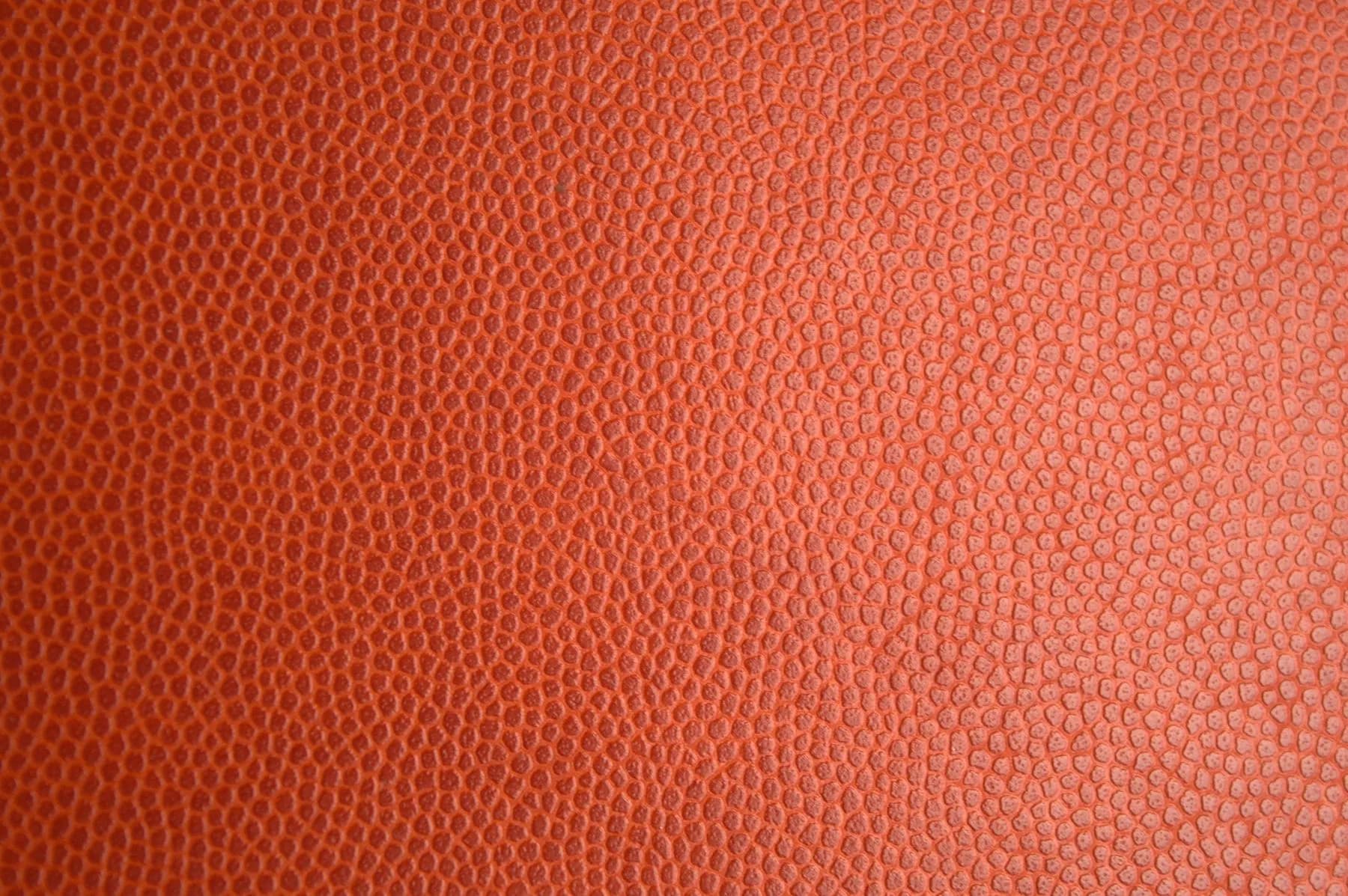
Understanding leather grades is the fastest way to protect your margins and your brand. Here's how the grades differ — and when each one makes sense.
Choosing the right leather grade is the single biggest decision in any leather product brief. It affects the look, the way the piece ages, the price point and ultimately how your customers feel about your brand.
Full-grain leather
Full-grain is the top layer of the hide with the natural grain left intact. Nothing is sanded away, so every pore, scar and fibre pattern remains. It is the strongest and most durable grade and develops a rich patina with age.
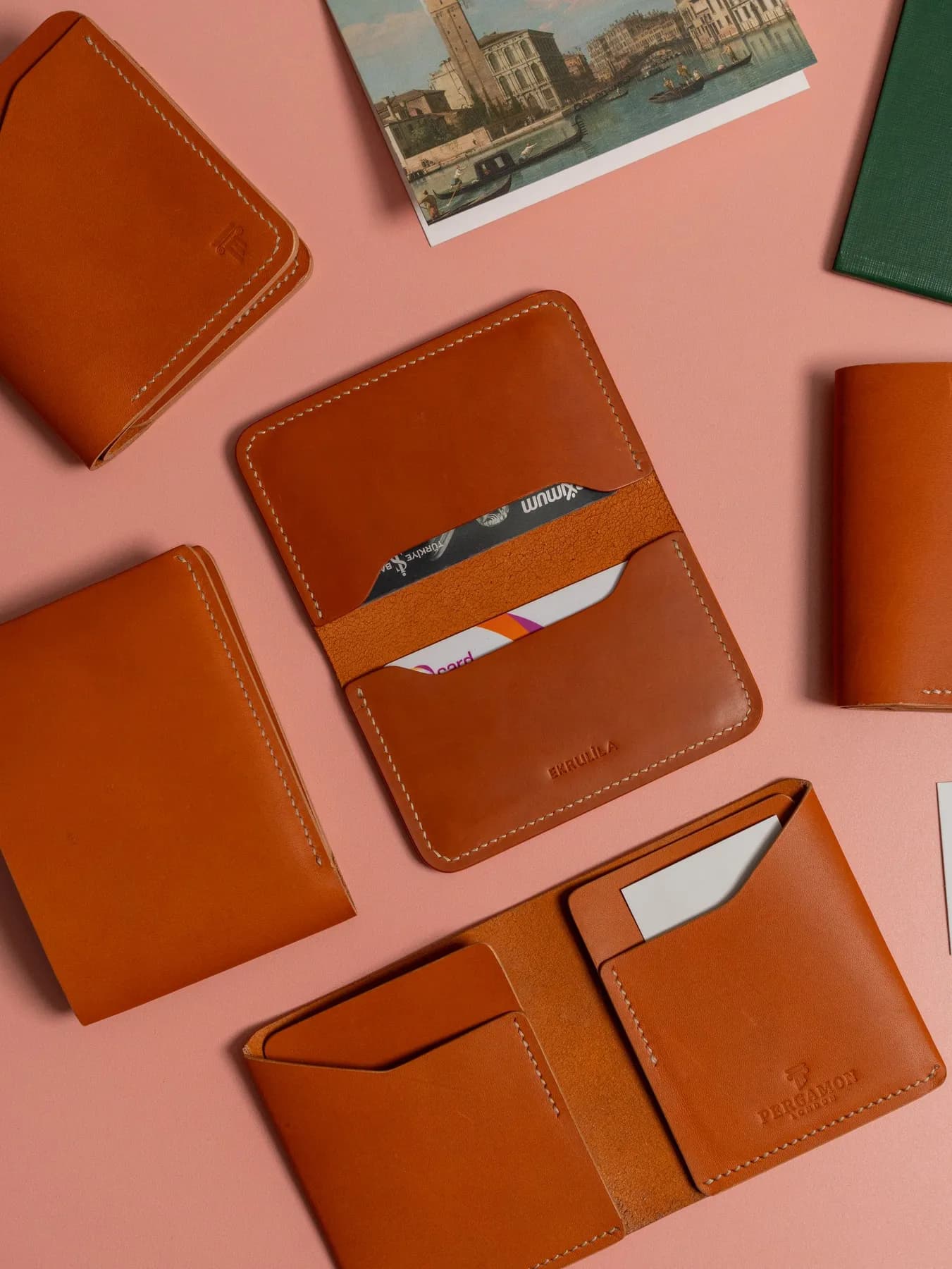
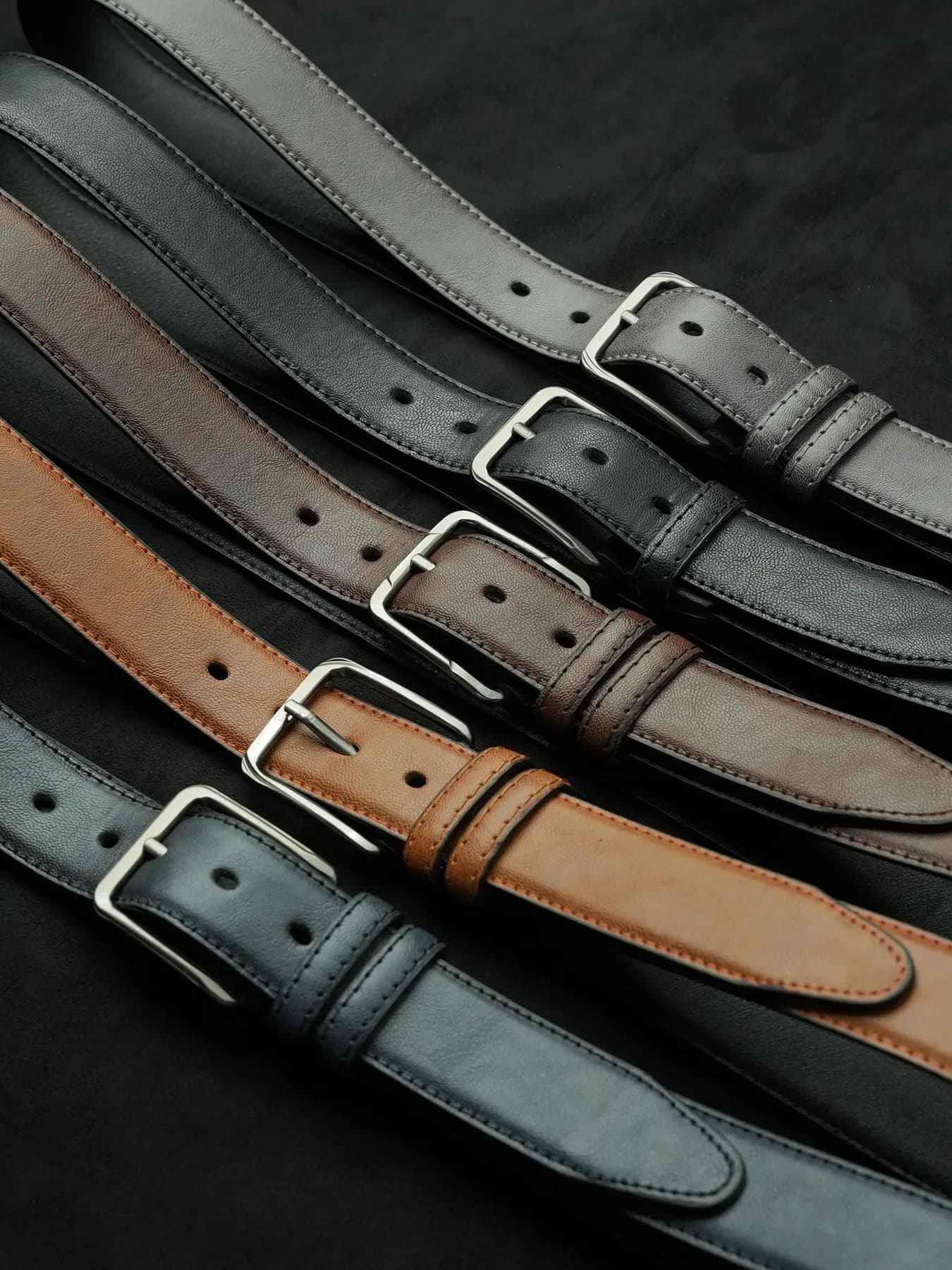
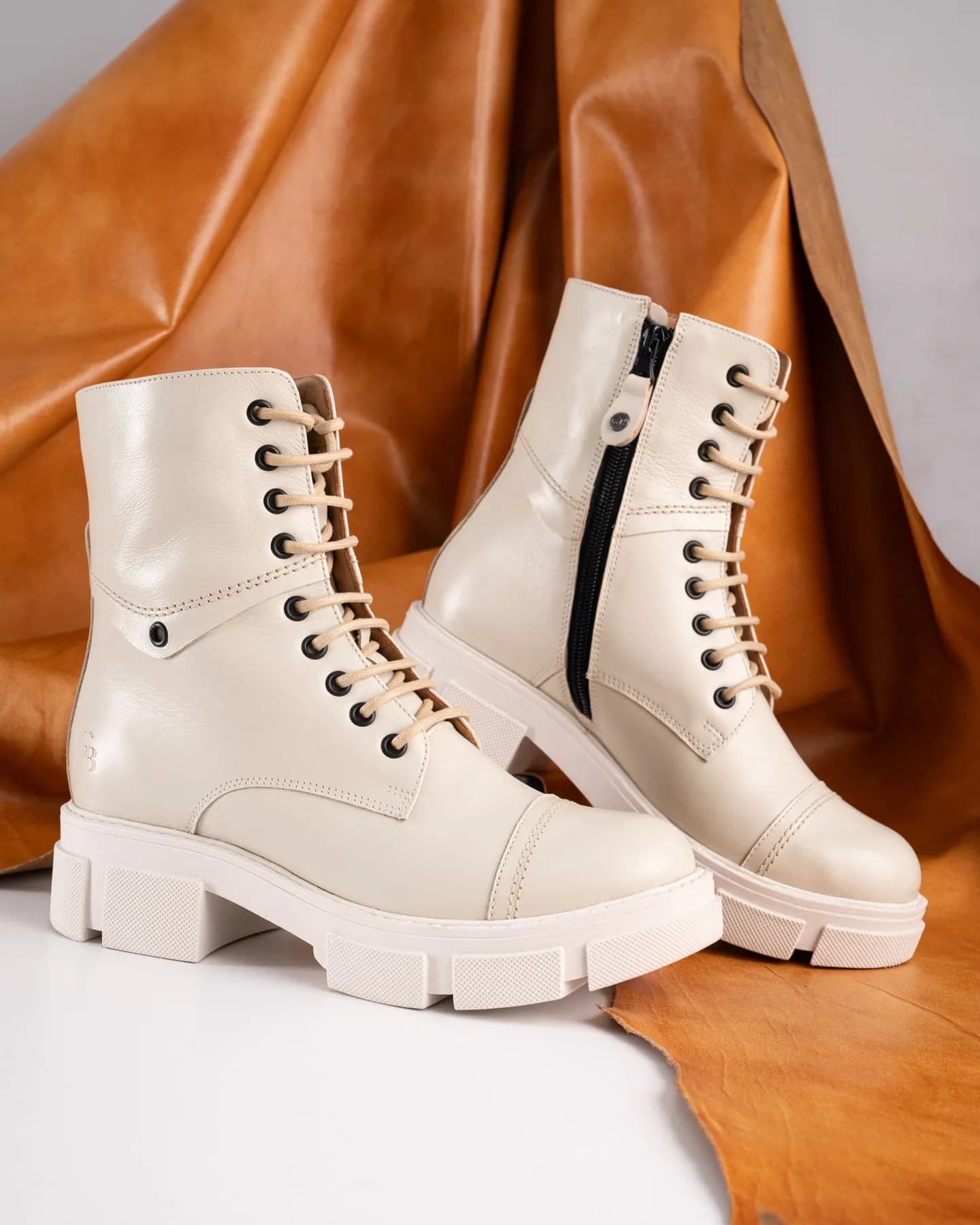
- Best for: heirloom bags, belts, footwear, premium wallets
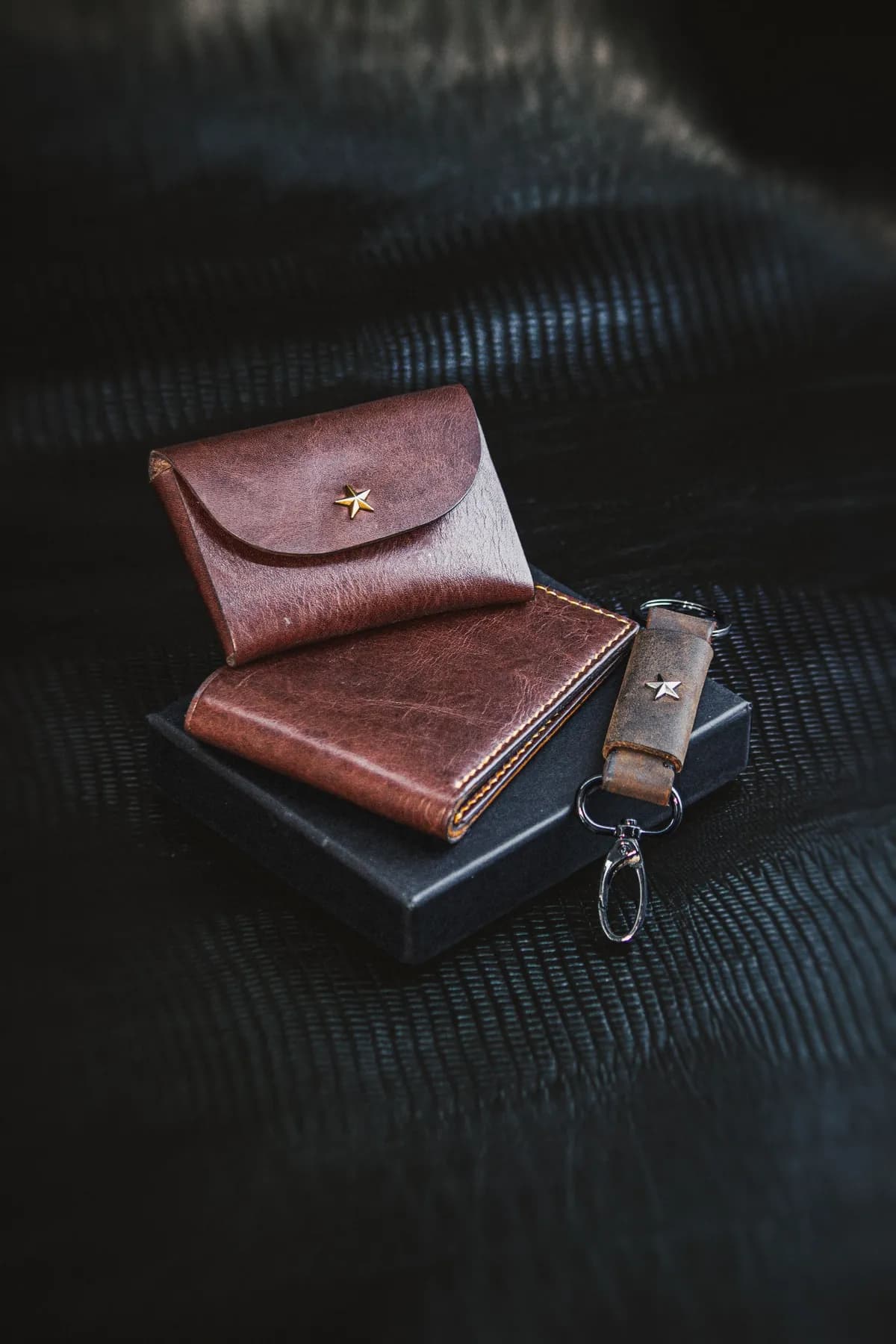
- Character: natural markings, deep patina
- Price: highest
Top-grain leather
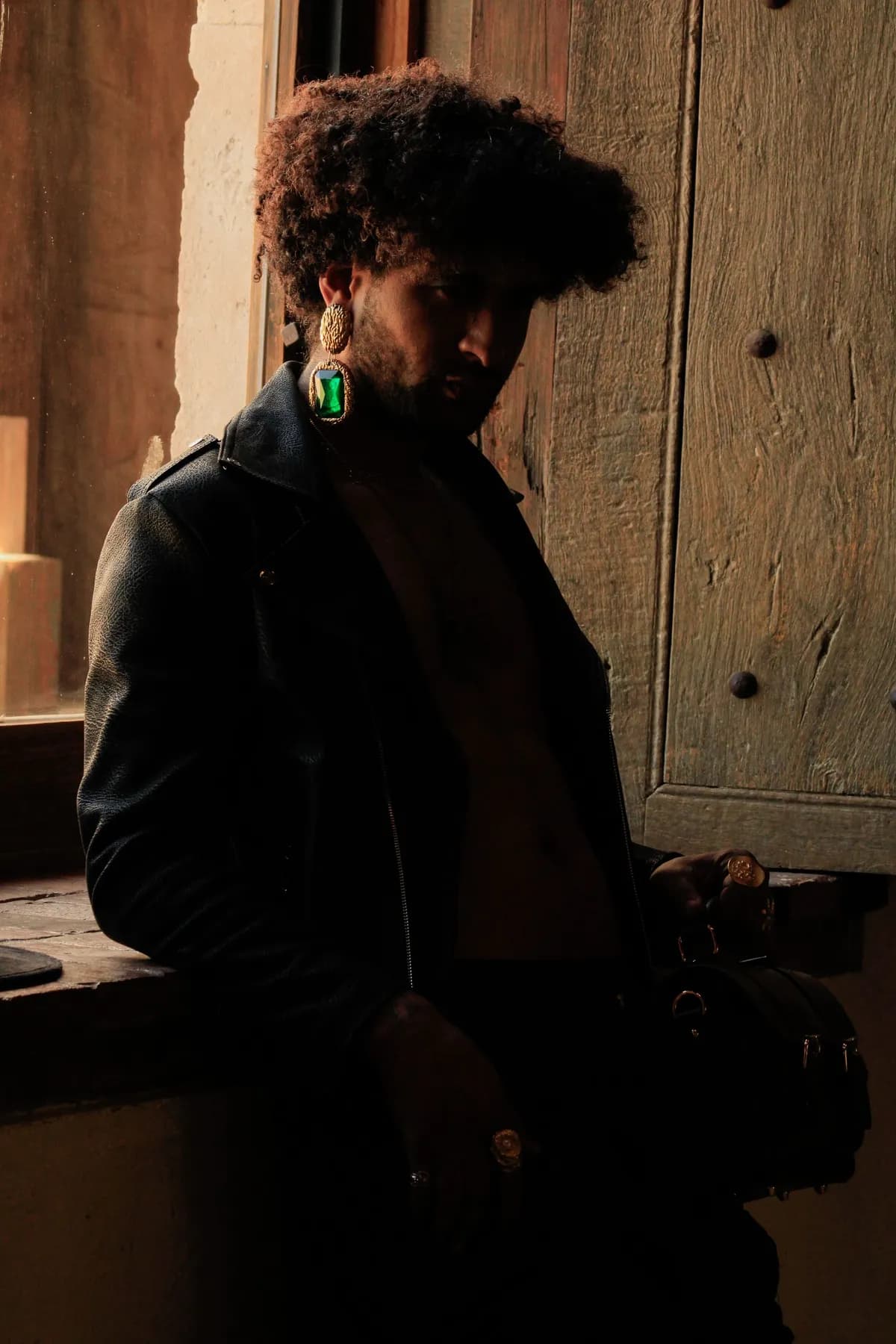
Top-grain is lightly sanded to remove imperfections and then finished. It is thinner and more pliable than full-grain, with a more uniform surface — ideal for fashion pieces that need a clean, consistent look.
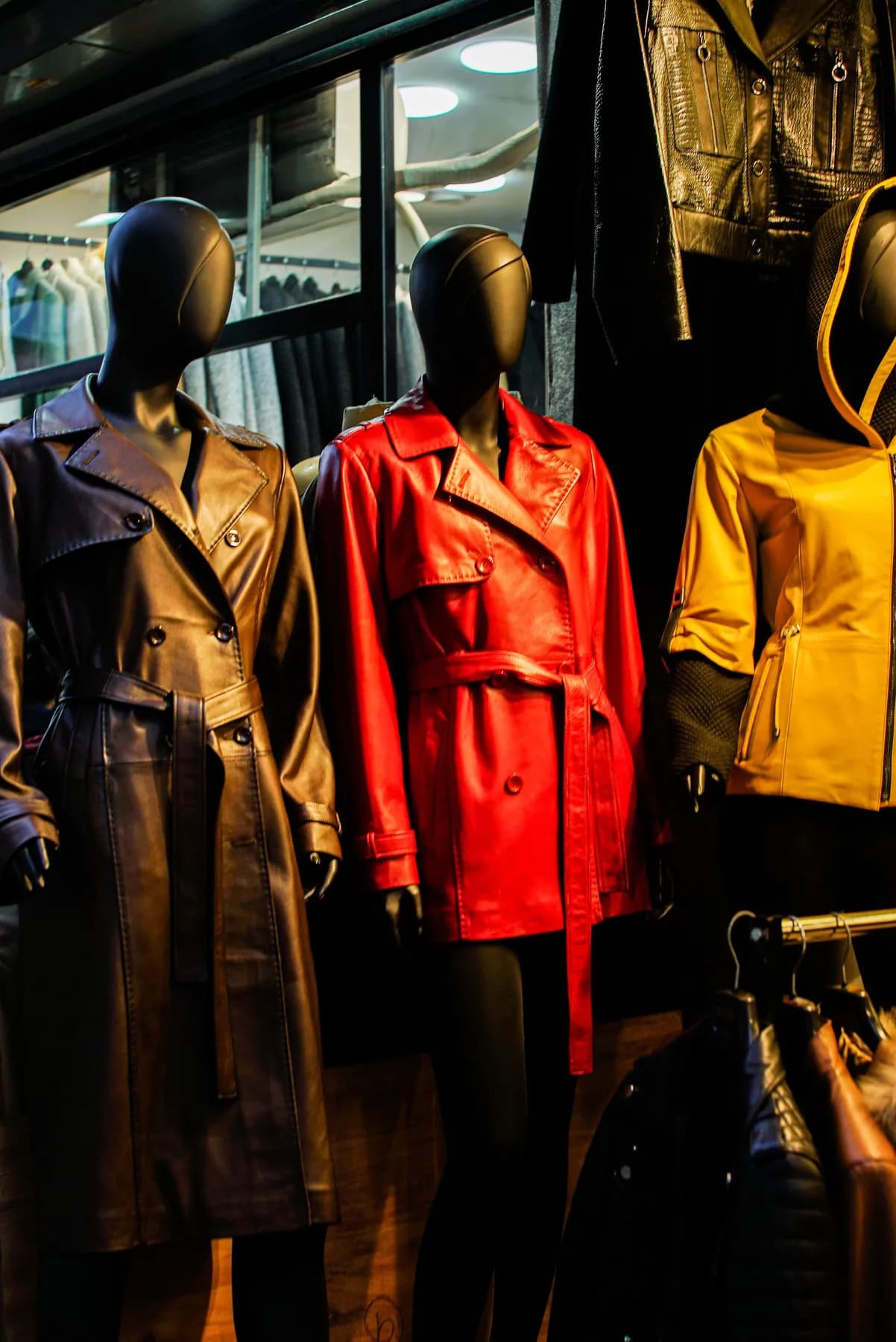
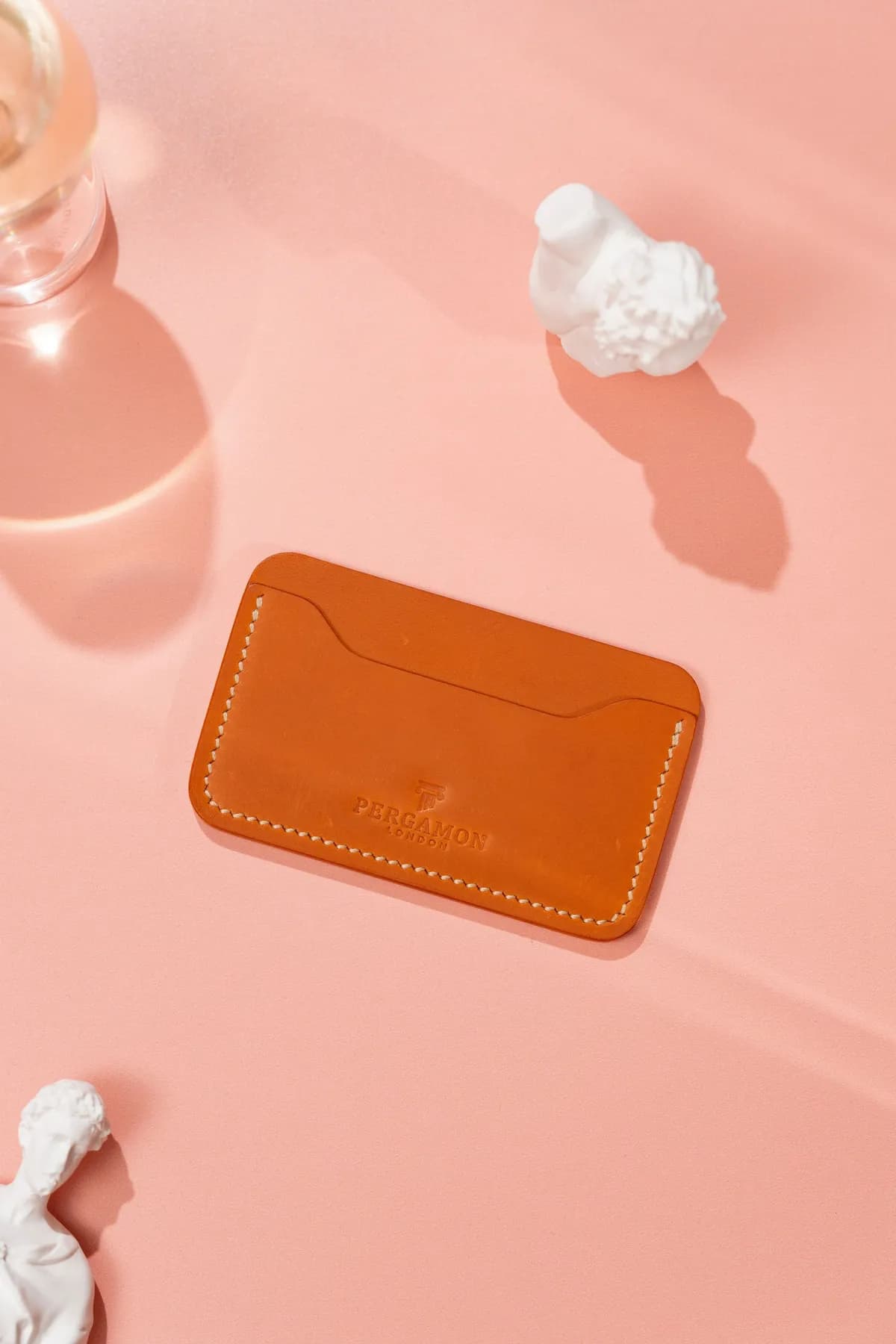
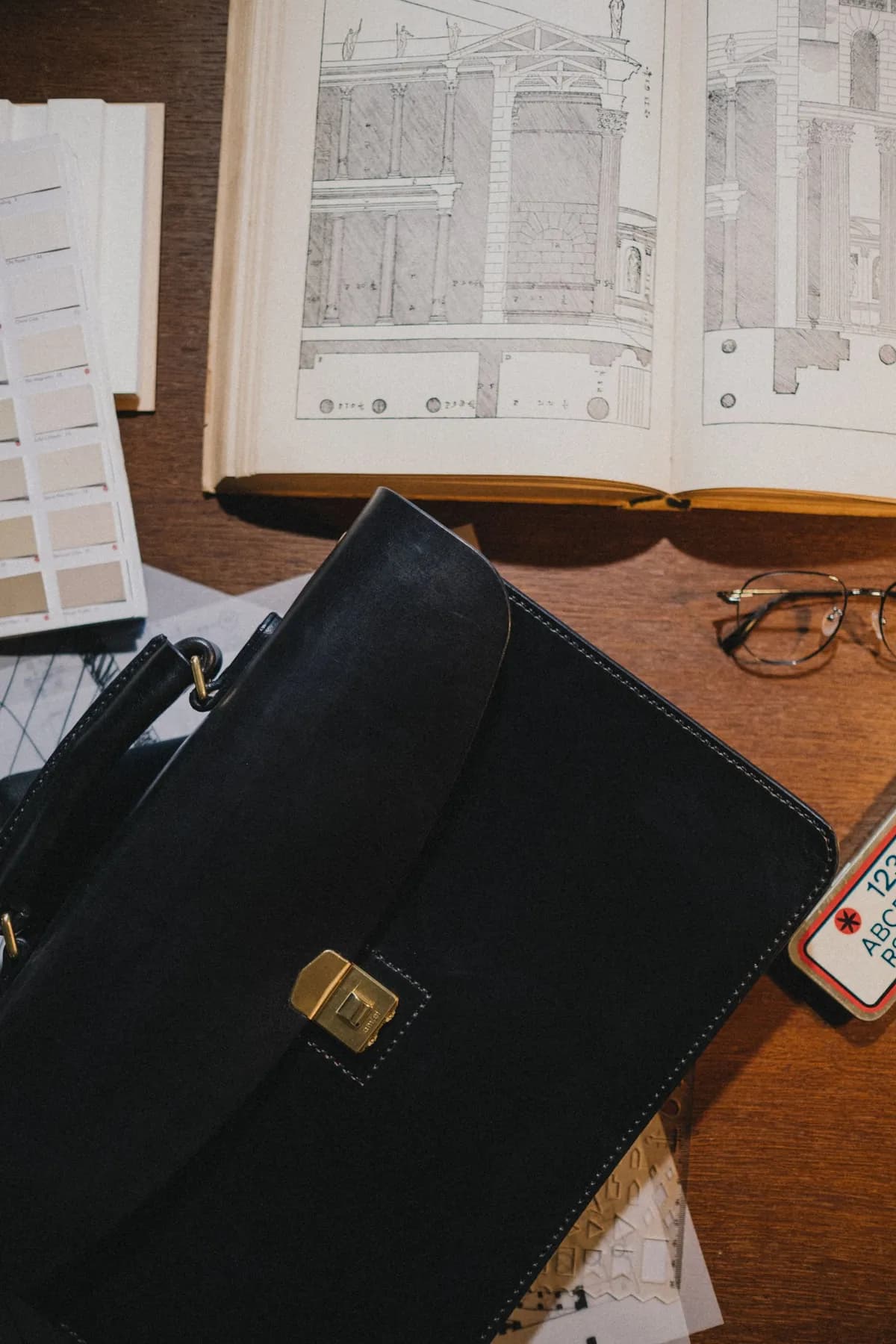
- Best for: jackets, handbags, card holders
- Character: smooth, uniform, stain resistant
- Price: mid to high
Genuine and split leather
"Genuine leather" is a trade term for lower layers of the hide. Split leather is often embossed and coated. It is a sensible, cost-effective choice for linings, industrial products and entry-price programs.
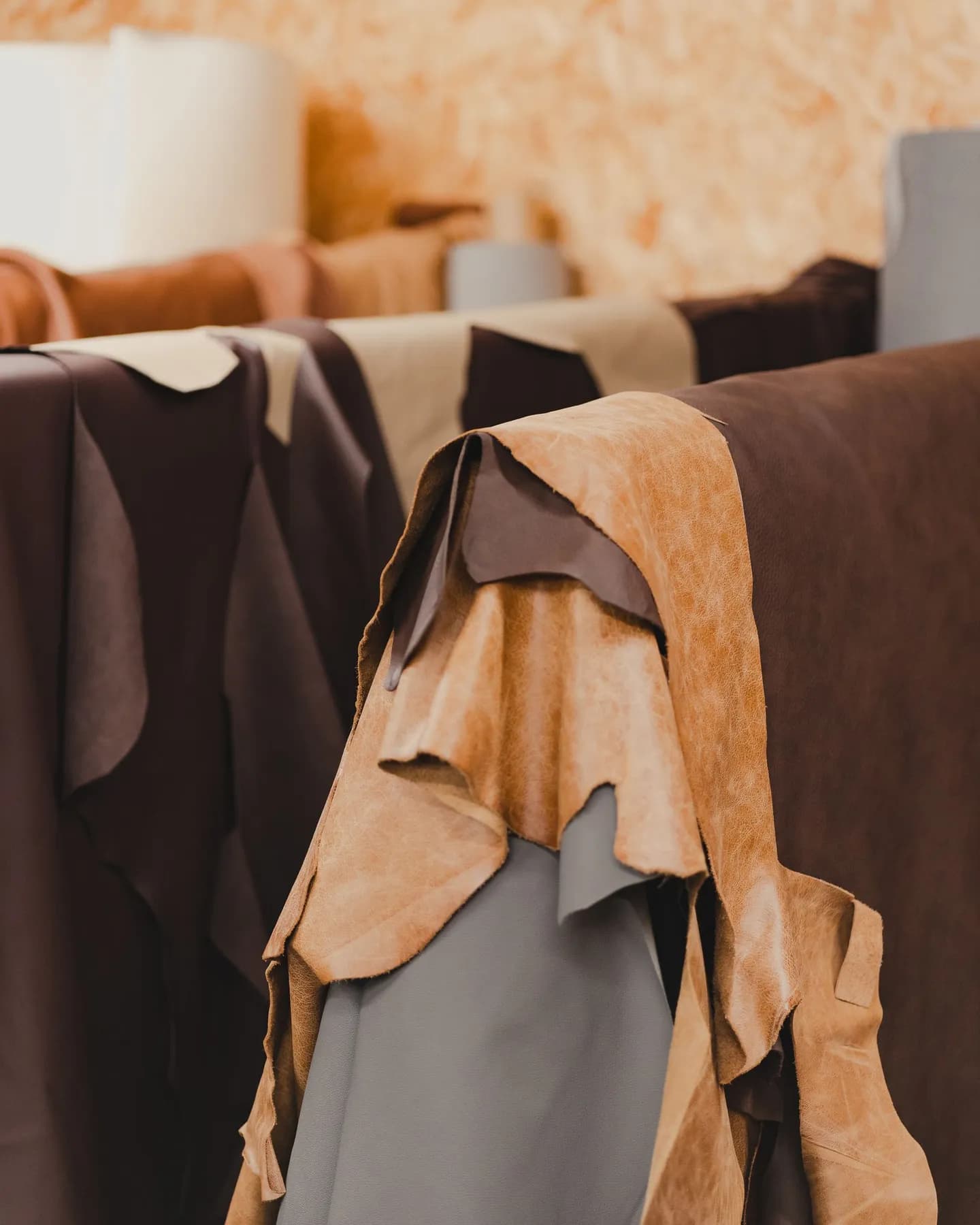
Tip: ask your manufacturer for leather swatches from the exact tannery lot you'll be producing with — not a showroom sample.
How we help
Our materials team keeps over 120 active leathers in stock and can source custom colours from partner tanneries in as little as two weeks. Request a swatch card with your next inquiry.